 how-to
How to Reduce Electricity Bills in Perth Homes in 2026
Quick Summary
You can reduce electricity bills by first reading your bill to find the biggest cost, usually air conditioning, hot water or the pool pump, then changing how and when you use those appliances. Shifting heavy loads to off-peak times, sealing draughts and shading west-facing windows often deliver quick savings without major renovation.
- Check which bill part is largest: supply charge, usage charge, peak rates or feed-in credits.
- Set the air conditioner thermostat around 24°C to 25°C and use timers.
- Pre-cool the house before late-afternoon peak rates apply on time-of-use plans.
- Run the pool pump six to eight hours in the cooler part of the day, keeping baskets clean.
- Run dishwashers, washing machines and dryers during off-peak hours and switch off standby devices.
Table of Contents
- Reading Your Electricity Bill Before You Change Anything
- Using a Home Electricity Usage Calculator to Find Your Biggest Costs
- Air Conditioning Energy Saving Tips for Perth Summers
- Cutting Pool Pump Electricity Costs Without Compromising Filtration
- Shifting Appliance Use Off-Peak and Upgrading Standby-Heavy Devices
- Is Solar Worth It? Solar Panels for Perth Homes and What They Cost to Run
- Booking an Energy Check-Up and Next Steps for Your Home
- Frequently Asked Questions
Last Updated: November 4, 2026
Your electricity bill has probably crept up over the last few years, and summer in Perth makes it worse. The good news is that most homes can reduce electricity bills noticeably without a major renovation. This guide walks through where the money goes and what you can change first.
Most people start by switching providers or hunting for a discount. Those steps can help, but you get the best results by understanding what you're paying for and then tackling the biggest costs. We'll show you how to do that step by step.
Reading Your Electricity Bill Before You Change Anything
Your bill usually has three main parts: a daily supply charge, the usage charge (the kilowatt-hours you use), and any feed-in credits if you have solar. Start by checking which part is largest.
Here is what to look for:
- Supply charge: a fixed daily amount, paid whether you use power or not
- Usage charge: the amount you pay per kilowatt-hour (kWh)
- Peak vs off-peak rates: some plans charge more at certain times of day
- Feed-in credits: money you receive for exporting solar power
Watch out: if your plan has time-of-use rates, running heavy appliances at peak times can double their cost.
Compare this month's bill with the same month last year. A sharp rise often points to a plan change, a new appliance or a heatwave.
Use this quick reference to see what each part of your bill means and where to look first.
| Bill item | What it is | What to do |
|---|---|---|
| Supply charge | Fixed daily amount | Paid whether you use power or not |
| Usage charge | Cost per kilowatt-hour (kWh) | Check which rate applies |
| Peak vs off-peak rates | Some plans charge more at certain times | Avoid heavy use at peak times |
| Feed-in credits | Money for exporting solar power | Check if you have solar |
Using a Home Electricity Usage Calculator to Find Your Biggest Costs
Guessing which appliances cost the most rarely works. A home electricity usage calculator estimates the yearly cost of each device based on its wattage and how often you use it.
To use one, you will need:
- The wattage from each appliance label
- Your typical hours of use per day
- Your electricity rate in cents per kWh (on your bill)
Most people find that heating, cooling and hot water use the most power. Standby power from entertainment systems and chargers adds up too. Once you know your top three costs, focus your effort there.
Air Conditioning Energy Saving Tips for Perth Summers
Air conditioning is often the single largest electricity cost in a home during summer, and the local climate shapes how you can reduce electricity bills while running it. The city's Mediterranean pattern, long, hot, dry summers and a strong afternoon sea breeze, means the cooling load peaks in the late afternoon and early evening, which is also when time-of-use plans charge their highest rates. Getting the timing right matters as much as the thermostat setting.

Setting the Thermostat and Using Timers
Set the thermostat a little higher than you think you need. Each degree of extra cooling adds to the power the unit draws. A setting around 24°C to 25°C in summer is a common compromise between comfort and cost.
Use the timer so the system runs before you get home rather than all day.
Watch out: if you have a time-of-use plan, running the air conditioner through the late-afternoon peak can cost several times the off-peak rate per kilowatt-hour, so shifting even an hour of runtime can change the bill noticeably.
Insulation, Draft Sealing and Shading
Warm air leaks in through gaps around doors, windows and roof spaces. Sealing draughts with weatherstripping is cheap and quick. External shading, such as awnings or external blinds on west-facing windows, stops heat before it enters the home, and in Perth, west-facing glazing takes the full force of the afternoon sun, so that is the first window to shade.
Ceiling insulation is one of the most effective upgrades for keeping cool air inside. If your roof space is bare, it is worth getting a quote.
A Perth-Specific Cooling Routine
A practical routine for a Perth summer looks like this: run the air conditioner in the morning while the house is still cool and power is cheaper, close up the house and draw external blinds by mid-morning, then rely on the sea breeze in the late afternoon by opening windows on the breeze side and using a fan rather than the air conditioner where possible. Evaporative coolers work well in Perth's dry summer air but lose effectiveness on humid days, so check the forecast before relying on one.
If You Rent
Renters cannot install insulation or replace the air conditioner, but they can still act: use portable fans and external shading that does not require fixing to the building, ask the property manager in writing about sealing draughts and servicing the unit's filter, and check whether the rental has a programmable timer on the air conditioner.
Choosing and Maintaining the Unit
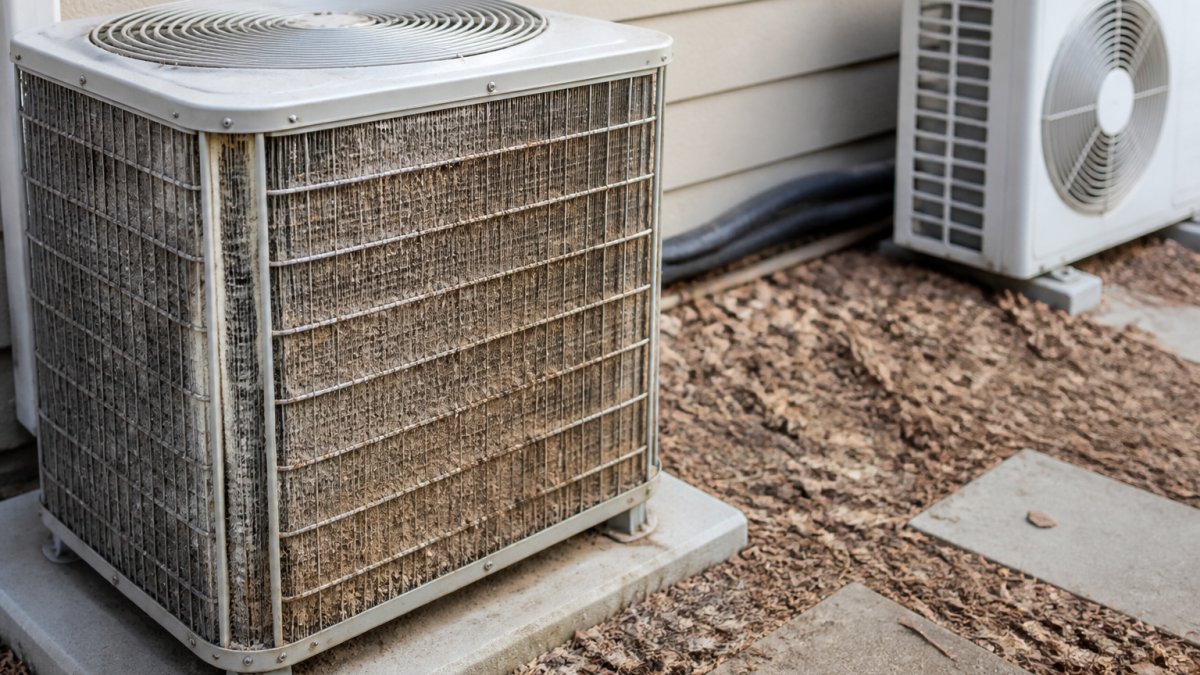
When replacing an air conditioner, compare the energy rating label and choose a unit sized for the room rather than the whole house. An oversized unit cycles on and off and dehumidifies poorly. Have the unit serviced before summer, and check the outdoor unit is not boxed in by plants or fencing, since restricted airflow reduces efficiency.
Cutting Pool Pump Electricity Costs Without Compromising Filtration
Pool pumps can run for many hours a day and make a large contribution to a bill. The aim is to run the pump long enough to keep the water clean, but no longer.
Run the pump during off-peak hours where your plan allows it. Many people run it for six to eight hours in the cooler part of the day and find the water stays clear. Check the pump's timer and clean the skimmer and pump basket regularly, because a blocked basket makes the motor work harder.
If your pump is old, a variable-speed pump can use far less power than a single-speed one. Ask a licensed electrician to check the pump circuit and timer before you replace anything.
Shifting Appliance Use Off-Peak and Upgrading Standby-Heavy Devices
Moving heavy loads to off-peak times is one of the simplest ways to lower your bill. Run the dishwasher, washing machine and dryer after dark or early morning if your plan has cheaper off-peak rates.
Standby power is another hidden cost. Televisions, game consoles and chargers can draw power even when switched off. Use a power board with a switch so you can turn several devices off at once.
If you are thinking about an electric vehicle, off-peak charging can make a large difference. Learn about home EV charger installation in Perth.
Is Solar Worth It? Solar Panels for Perth Homes and What They Cost to Run
Solar panels can cut the amount of electricity you buy from the grid, especially during the day. Whether they are worth it depends on your roof, your household's daytime use and your plan's feed-in rate.
The key mechanism is self-consumption. A solar system saves you the full retail rate on every kilowatt-hour you use in your own home, but only the much lower feed-in rate on power you export. A system without a battery exports much of its output around midday, when many households are out, so the financial return depends heavily on shifting daytime use, running the pool pump, dishwasher, washing machine and hot water during the solar window.
What to Check Before You Buy
- Your daytime usage: look at your last 12 months of bills and estimate how much power you use between roughly 9am and 3pm.
- Your feed-in rate: check your plan's feed-in tariff, which is typically a few cents per kilowatt-hour and well below the retail usage rate.
- Your roof: orientation, shading and roof condition all affect output; north-facing panels generally perform best.
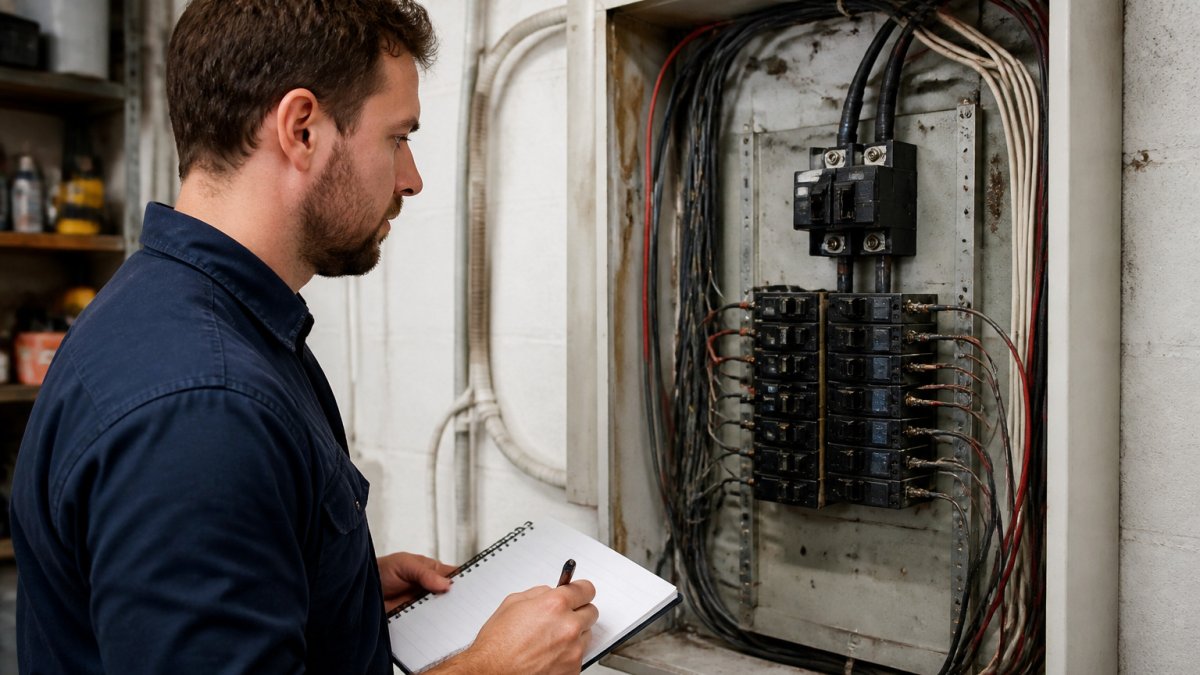
- Your switchboard: an older switchboard may need upgrading before solar or a battery can be connected.
Watch out: a solar quote that assumes you will export most of your generation at the feed-in rate can overstate the savings, because the export rate is far lower than the rate you pay for grid power.
Battery Storage and Tariff Choice
Battery storage can help you use more of your own solar power in the evening, though it adds to the upfront cost and the payback period depends on your evening usage and tariff. If you are on a time-of-use plan, a battery can also let you avoid the evening peak. Before deciding, compare a few plans and ask whether the retailer offers a solar-friendly tariff with a higher feed-in rate or a cheaper off-peak window.
If You Rent or Live in a Strata Property
Renters and strata residents are often told solar is not for them, but there are options. Some landlords will agree to solar if the tenant contributes or if it improves the property's value. If you are in a strata property, raise the idea with the strata committee, since common-property solar and embedded networks are increasingly common. A licensed electrician can advise on what is feasible for your situation.
Maintaining the System
Once installed, keep the panels clean and free of shade, check the inverter is working, and review your plan annually, since feed-in rates and retail offers change. A system that was well matched to your usage five years ago may no longer be on the best plan.
Booking an Energy Check-Up and Next Steps for Your Home
Start with the bill and the calculator. Then tackle the largest cost first, usually air conditioning or the pool pump. Small changes to timing and draught sealing can deliver savings quickly.
If you want a professional to review your home's wiring, switchboard or appliance circuits, contact Auscore Integrated Services to discuss your options and book a consultation.
Frequently Asked Questions
How can I reduce my electricity bill at home?
Start by checking your bill for the fixed charge, usage rate and any peak or off-peak tariffs, then compare your plan with current market offers. Most savings come from heating and cooling, hot water and pool pumps, so target those first. Small habits such as switching off standby devices, running dishwashers and washing machines on full loads, and using LED lighting add up over a billing cycle. Check your plan at least once a year, as providers and tariffs change.
What uses the most electricity in a Perth home?
In most Perth homes, air conditioning is the largest single load, particularly during long summer heatwaves, followed by water heating and, for households with one, the pool pump. Refrigerators and freezers run constantly, so they matter more than their size suggests. Lighting, cooking and entertainment equipment make up smaller shares. A home electricity usage calculator can estimate where your own consumption goes based on appliance wattage and hours of use.
Are solar panels worth it for a home in 2026?
Solar panels can lower daytime grid electricity use, and pairing them with a battery can increase self-consumption. Whether they pay off depends on your roof orientation and shading, how much electricity you use during the day, your current feed-in tariff, and the installed cost of the system. Get at least two quotes with upfront pricing, and ask for the estimated payback period based on your actual usage data. Pricing varies by system size and equipment, so contact Auscore Integrated Services or check the website for a current quote.
How can a pool owner reduce electricity use?
Run the pump for fewer hours at a time, usually enough to turn the water over once or twice daily, and schedule it for off-peak periods where your tariff offers them. Clean the filter regularly, since a clogged filter forces the pump to work harder. Variable-speed pumps use considerably less power than single-speed models when run at lower settings. Ask a licensed electrician to check the timer and pump setup if your bill rises unexpectedly.