 blog
blog
Electrical Maintenance Services Quote Guide
Table of Contents
- What to Expect in an Electrical Maintenance Services Quote
- Commercial Electrical Maintenance Checklist
- Preventative Electrical Maintenance Benefits for Your Property
- Electrical Safety Inspection Requirements WA
- Upfront Pricing and Fixed Quotes Explained
- How to Choose a Licensed Electrician for Ongoing Maintenance
- Reactive vs Preventative Maintenance: Which Costs Less Long-Term
- Frequently Asked Questions
Last Updated: September 18, 2026
What to Expect in an Electrical Maintenance Services Quote
An electrical maintenance services quote is a detailed estimate from a licensed electrician covering labour, materials, timeline, and warranty. It helps you compare options and make informed decisions about your electrical infrastructure.
Quality quotes itemise costs, explain what's being inspected and why, and detail safety compliance requirements for your property type. At Auscore Integrated Services, we provide upfront pricing.
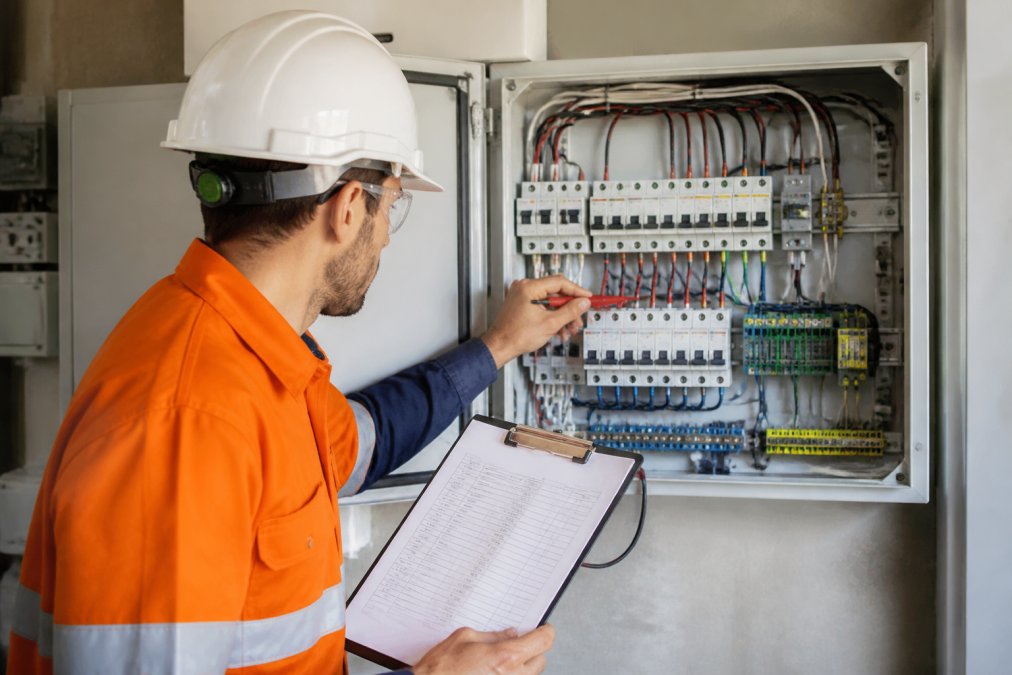
The on-site assessment typically takes 30 minutes to an hour. The electrician checks switchboards, tests circuits, inspects wiring, photographs problem areas, and explains findings in plain language.
Commercial Electrical Maintenance Checklist
Commercial electrical systems are more complex than residential ones. Regular maintenance prevents costly downtime and regulatory breaches by aligning with Australian/New Zealand Standard AS/NZS 3000 (Electrical Installations).
Your maintenance schedule should follow this framework:
Monthly Tasks
- Visual inspection of the switchboard for signs of overheating, discolouration, or corrosion
- Check all accessible circuit breakers and switches for loose connections or damage
- Inspect cable trays and conduits for physical damage or signs of wear
- Verify that emergency lighting units are functioning and free from obstruction
Quarterly Tasks
- Test emergency lighting systems under load to confirm battery backup and automatic switchover
- Inspect earthing and bonding connections for corrosion or looseness
- Check that all electrical equipment is properly labelled and accessible
- Review any maintenance logs for recurring issues or patterns
Annual Tasks
- Comprehensive electrical safety inspection by a licensed electrician
- RCD (residual current device) testing on all circuits; these must trip within 30 milliseconds under fault conditions to meet AS/NZS 3000
- Insulation resistance testing on all circuits to identify deterioration
- Thermographic inspection of switchboards and distribution boards to detect hotspots indicating overload or poor connections
- Smoke alarm compliance audit; all smoke alarms must be tested and certified by a licensed electrician, with records retained for at least 12 months
- Earth continuity testing to ensure all metalwork is properly bonded
Every 5 Years
- Full electrical safety audit including load analysis to confirm the system is not operating beyond design capacity
- Assessment of cable condition, particularly in areas exposed to heat, moisture, or mechanical stress
- Review of equipment age and suitability; switchboards over 20 years old should be evaluated for replacement or major refurbishment
- Verification that all work has been completed by licensed electricians and documented on electrical installation work certificates
Switchboards over 20 years old may not meet current safety standards and lack modern features like surge protection. A licensed electrician can advise whether upgrades or targeted maintenance is needed.
Maintain a comprehensive log of every inspection, test result, and maintenance visit to prove due diligence, support insurance claims, and identify patterns. When requesting a quote, ask the electrician to provide a detailed report documenting completed checklist items, test results, and follow-up recommendations.
Common oversights include failing to test RCDs at required frequency, neglecting thermographic inspections, and not maintaining smoke alarm records. These gaps result in regulatory penalties and expose your business to electrical hazards.
Preventative Electrical Maintenance Benefits for Your Property
Preventative maintenance catches small problems before they become expensive failures. It also extends your electrical infrastructure's lifespan.
Properties with preventative maintenance experience fewer unexpected outages. For businesses, this prevents revenue loss; for residential properties, it eliminates sudden power loss and reduces fire risk.
Maintenance also improves energy efficiency. A well-maintained system runs cooler and uses less energy, reducing power bills over time.
Regular inspections identify hazards like overloaded circuits, deteriorating insulation, or outdated equipment, protecting occupants from electrical shock and fire risk.
Electrical Safety Inspection Requirements WA
In Western Australia, electrical safety inspections are governed by the Electrical Safety Act 1947 and Regulations 1947. The technical standard defining 'safe' is AS/NZS 3000 (Electrical Installations). Understanding what inspectors test helps you verify compliance.
What the Inspector Actually Tests
An electrical safety inspection involves specific testing procedures measuring compliance with AS/NZS 3000:
- Switchboard and distribution board condition: Visual inspection for signs of overheating, corrosion, or damage; verification that all circuits are properly labelled and accessible
- Circuit breaker function: Testing that breakers trip at the correct current rating and respond quickly to overload
- RCD (residual current device) testing: RCDs must trip within 30 milliseconds when a fault current of 30 mA is applied; this is the critical safety device that prevents electrocution
- Earthing and bonding: Continuity testing to confirm all metalwork is properly bonded to earth, preventing dangerous voltage differences
- Insulation resistance testing: Measurement of insulation condition on all circuits; deteriorated insulation is a fire and shock hazard
- Load testing: Circuits are tested under load to identify overheating or voltage drop issues
- Smoke alarm compliance: All smoke alarms must be tested and certified as functioning; the inspector verifies correct placement, battery condition, and interconnection where required
- Cable condition: Visual inspection for damage, deterioration, or improper installation, particularly in areas exposed to heat, moisture, or mechanical stress
- Verification of previous work: Confirmation that any electrical work completed since the last inspection was done by a licensed electrician and properly documented
Who Can Perform the Inspection
Licensed electricians must hold current qualifications under the Electrical Safety Act 1947. When requesting a quote, verify their licence, ask about testing equipment (digital multimeters, insulation testers, RCD test units), and confirm they'll provide a written report documenting all results and defects.
What Happens If Defects Are Found
Defects are classified by severity. Minor defects (loose switch covers) are noted but don't prevent passing; major defects (failed RCD testing, deteriorated insulation) must be remedied. The inspector provides a detailed report explaining findings and required remedial work.
Insurance and Legal Implications
Electrical safety inspections are often required by mortgage lenders. Skipping them may void your insurance and expose you to regulatory penalties and civil liability if an incident occurs.
Upfront Pricing and Fixed Quotes Explained
An upfront pricing quote tells you exactly what you'll pay with no hidden call-out fees, surprise charges, or pressure to pay more once work begins.
A fixed quote doesn't change unless scope changes. If additional issues are discovered, the electrician provides a separate quote for that work, letting you decide whether to proceed.
Some electricians offer tiered quotes with a base price plus optional upgrades, letting you choose what fits your budget.
When comparing quotes, consider what's included, warranty terms, and experience, not just price. At Auscore Integrated Services, quality workmanship goes hand in hand with our competitive upfront pricing.
| Quote Element | What to Check | Why It Matters |
|---|---|---|
| Labour costs | Hourly rate or fixed fee | Understand how you're being charged |
| Materials | Listed separately with prices | Know exactly what's being installed |
| Timeline | Start and completion dates | Plan around the work schedule |
| Warranty | Coverage period and what's included | Protect your investment after completion |
| Call-out fee | Whether it applies | Avoid surprise charges |
How to Choose a Licensed Electrician for Ongoing Maintenance
Choose a reliable, qualified, and trustworthy electrician. Always verify their licence before hiring.
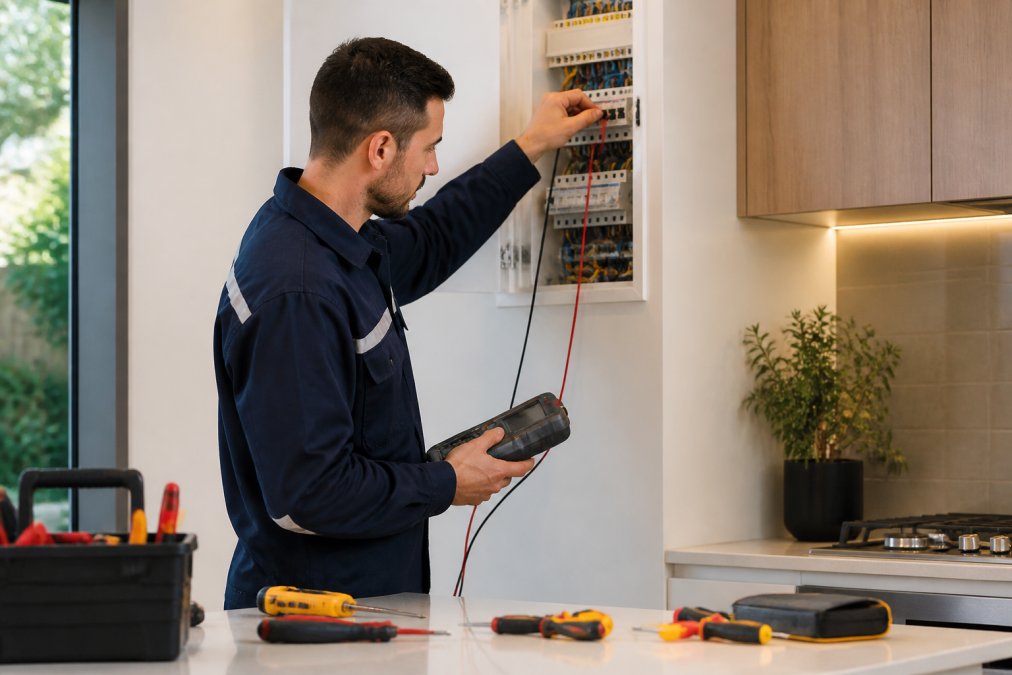
Ask about their experience with your property type. Someone who's maintained hundreds of properties like yours understands common issues and spots problems quickly.
Check references and reviews. Ask how they handle emergencies and whether they offer same-day service for urgent repairs.
Your electrician should explain findings in plain language, provide written documentation, be transparent about pricing, and never pressure you into unnecessary work.
At Auscore Integrated Services, we pride ourselves on reliability and clear communication. Our team shows up when we say we will, explains the work in detail, and stands behind our workmanship with a guarantee. We're fully licensed and insured, and we've built our reputation on customers like Christina Zimmer, who said we delivered "super friendly service" and quality work, and Joanna Sassoon, who praised our advice and problem-solving approach.
Reactive vs Preventative Maintenance: Which Costs Less Long-Term
Reactive maintenance fixes problems only when they fail; preventative maintenance catches issues early. Over time, preventative maintenance costs less.
A sudden switchboard failure costs thousands in emergency call-outs and repairs. The same switchboard, inspected annually, might need minor repairs costing hundreds spread over years.
Preventative maintenance reduces downtime. Unexpected power loss costs businesses revenue and disrupts residential comfort.
Frequently Asked Questions
What should be included in a commercial electrical maintenance quote?
A comprehensive electrical maintenance services quote should itemise labour costs, parts or materials needed, safety testing (RCD testing, electrical safety inspections), compliance certification, call-out fees (or confirmation of no call-out fee), and timeline for completion. It should also specify what's covered under warranty and whether preventative servicing is included. A transparent quote from a licensed electrician removes guesswork and helps you budget accurately.
How often should electrical maintenance be performed on commercial premises?
Commercial properties typically require electrical maintenance annually or bi-annually, depending on usage intensity and regulatory requirements. High-traffic facilities may need quarterly inspections. Regular preventative electrical maintenance helps identify faults early, ensures compliance with safety standards, and reduces the risk of costly emergency electrical repairs. A licensed electrical contractor can assess your specific needs and recommend a maintenance schedule.
What is the difference between reactive and preventative electrical maintenance?
Reactive maintenance addresses problems only after they occur, such as emergency electrical repairs when lights fail or wiring faults develop. Preventative electrical maintenance involves scheduled inspections and servicing to catch issues before they become emergencies. Preventative maintenance typically costs less long-term because it avoids downtime, extends equipment life, and prevents safety hazards. Most commercial properties benefit from a mixed approach with regular preventative servicing and emergency support on standby.
Are electrical maintenance quotes free in the local area?
Many licensed electricians offer free quotes for electrical maintenance services, though some may charge a call-out fee for site visits. Always confirm upfront whether there's a fee before booking. Reputable contractors provide transparent, fixed quotes so you know the cost before work begins. This helps you compare pricing across multiple providers and make an informed decision without surprise charges.