 how-to
Electrical Safety Tips for Homeowners: 7 Essential Steps
Table of Contents
- Why Electrical Safety Matters in Your Home
- Avoid Overloading Power Points and Circuits
- Inspect Electrical Cords and Appliances for Damage
- Install and Test Safety Switches and RCDs Regularly
- Home Electrical Safety Checklist: Key Areas to Review
- Electrical Hazards at Home: Recognise and Eliminate Them
- Electrical Safety Tips for Children: Protect Young Family Members
- When to Call an Electrician: Warning Signs You Cannot Ignore
- Frequently Asked Questions
Last Updated: October 18, 2026
Why Electrical Safety Matters in Your Home
Electrical hazards cause serious injuries and house fires every year, which is why electrical safety tips homeowners should know are essential.
A faulty wire, overloaded circuit, or damaged appliance can cause electrocution, burns, or fire.
This guide covers the essential electrical safety tips homeowners need, including how to spot problems, test safety devices, and know when to call a licensed electrician.
Avoid Overloading Power Points and Circuits
Power points and circuits have hard limits. Exceed them and the result is heat that melts insulation, scorches switchboards and can start a fire inside a wall cavity.
Know what your circuits can actually carry
Standard household final subcircuits are typically protected by a 10A, 16A or 20A circuit breaker, supplying roughly 2,400W, 3,840W and 4,800W at 240V respectively.
High-draw appliances to treat with particular care include:
- Kettles (often 2,000-2,400W)
- Toasters (often 800-1,500W)
- Microwaves (often 1,000-1,500W)
- Portable heaters (often 1,500-2,400W)
- Hair dryers (often 1,800-2,200W)
- Air conditioners and clothes dryers (which should have dedicated circuits)
Two high-draw appliances on one double outlet commonly cause melted plug tops and scorched power points. Spread them across separate circuits where possible, and never run a kettle, toaster and microwave from the same outlet at once.
Power boards and double adaptors
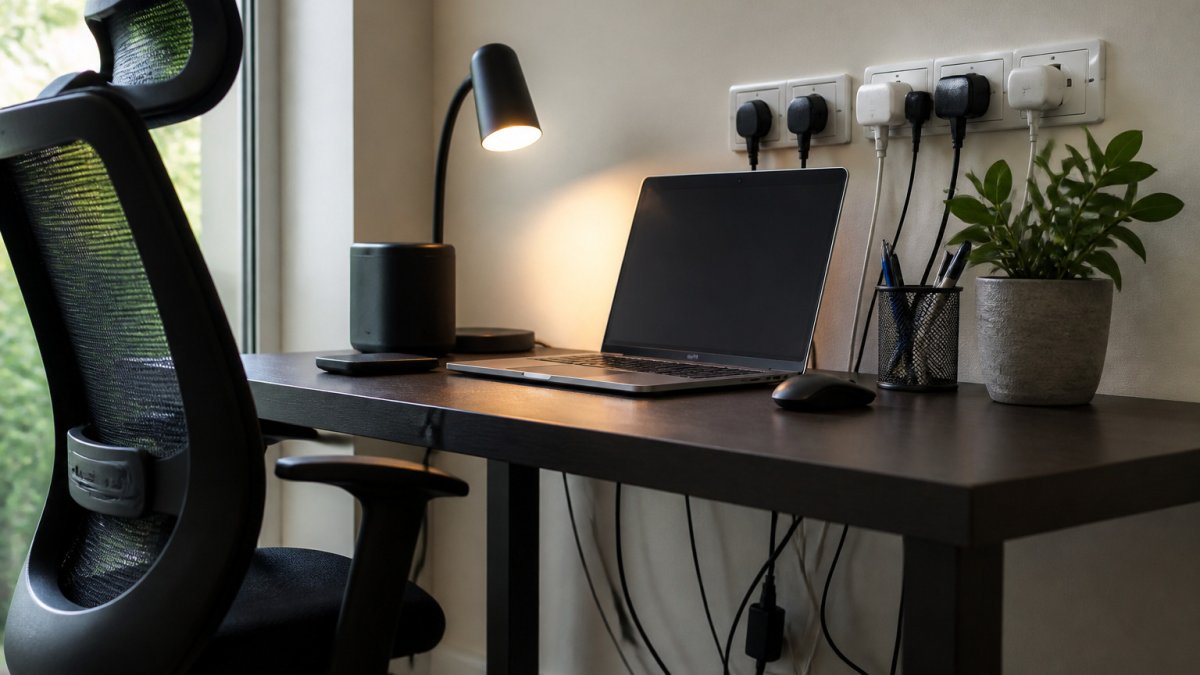
Power boards are convenient but easy to misuse, and they are not a substitute for extra circuits. Never daisy-chain one into another, plug a heater or air conditioner into one, or run one under a rug. Double adaptors that stack multiple plugs into one outlet are a particular fire risk and should be avoided entirely.
Warning signs of an overloaded circuit
- The circuit breaker trips repeatedly, especially when the same appliances are in use
- Power points, plug tops or power boards feel warm to the touch
- Lights dim or flicker when a large appliance starts
- A burning smell or scorch marks appear near an outlet or switchboard
- Plugs feel loose or show blackening around the pins
When your home needs more circuits
Older homes were wired for far fewer appliances. If you are regularly juggling plugs, relying on power boards or finding that breakers trip when the oven, air conditioner and kettle run together, your switchboard and circuit layout may need upgrading. A licensed electrician can assess the load on each circuit, add dedicated circuits for high-draw appliances and confirm your switchboard has capacity for modern use.
Inspect Electrical Cords and Appliances for Damage
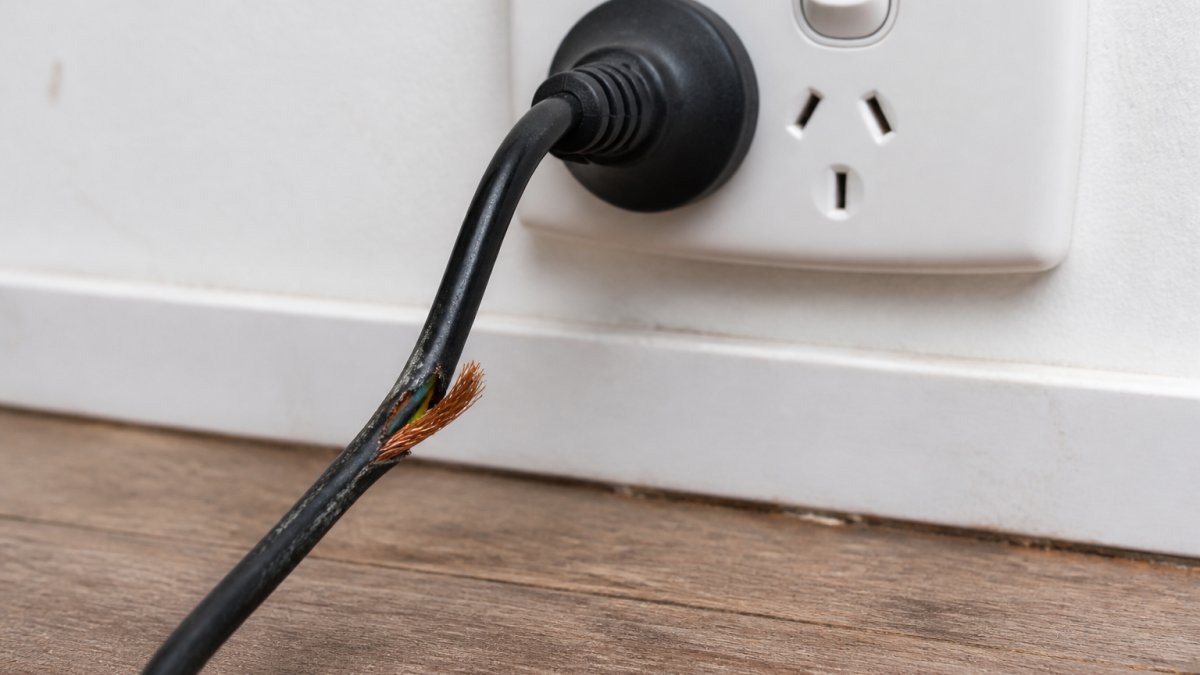
Damaged cords are one of the most common causes of electrical shock and house fires. A frayed wire, cracked insulation, or exposed conductor can deliver a fatal shock or ignite a fire.
Inspect cords regularly. Look for:
- Frayed or cracked insulation
- Burn marks or discolouration
- Exposed wiring or copper strands
- Kinks, knots, or crushing damage
- Loose plugs that don't grip the outlet firmly
Replace damaged cords immediately. Do not wrap them with tape or try to repair them yourself.
Appliances also wear out. Check your kettle, toaster, iron and other frequently used devices, and stop using any with a damaged cord or faulty operation.
Keep cords tidy and away from high-traffic areas. Cords that are stepped on, run under carpets, or pinched in doors are more likely to fail. Store unused appliances with cords wrapped loosely, tight coils can damage insulation over time.
Install and Test Safety Switches and RCDs Regularly
A safety switch (also called a residual current device or RCD) detects electrical faults and cuts power in milliseconds, preventing electrocution and fire. Every home should have at least one protecting its highest-risk circuits.
Safety switches are most critical for:
- Bathroom outlets (water and electricity are dangerous together)
- Kitchen power points
- Outdoor outlets and garden equipment
- Laundry areas
- Any circuit serving wet areas or high-risk appliances
Modern homes have RCDs built into the switchboard. Older homes may need them installed. If your home was built before 2000, ask a licensed electrician whether your circuits are adequately protected.
How to Test Your RCD
Testing your safety switch takes 30 seconds and should be done quarterly:
- Locate your switchboard and find the RCD (usually a larger switch with a red and black button)
- Press the black button labelled "TEST", the switch should trip immediately and cut power to protected circuits
- Lights in affected rooms will go out
- Flip the switch back to restore power
- If the RCD does not trip when you press TEST, it has failed and must be replaced by a licensed electrician
Test your RCD every three months and write the test date on the switchboard so you remember. If it trips during normal use, do not keep resetting it, call a professional to identify the fault.
Home Electrical Safety Checklist: Key Areas to Review
Use this checklist to audit your home for common electrical hazards, noting any issues that need attention.
| Area | Check For | Action |
|---|---|---|
| Power points | Damage, loose plugs, burn marks | Replace damaged outlets; tighten plugs |
| Cords and appliances | Frayed insulation, exposed wires, cracks | Replace damaged cords; discard faulty appliances |
| Switchboard | Rust, corrosion, tripped breakers, hot spots | Call electrician if any issues present |
| Safety switches | Functioning TEST button, no repeated trips | Test quarterly; replace if TEST fails |
| Wet areas | Outlets near water, missing RCDs | Install RCDs in bathrooms and kitchens |
| Outdoor areas | Exposed wiring, damaged outdoor outlets | Install weatherproof covers; check RCDs |
| Appliances | Age, unusual heat, sparking, burning smell | Replace appliances older than 10-15 years |
Walk through your home room by room, paying special attention to older installations, wet areas and frequently used appliances. Photograph any damage and keep it with your maintenance records.
Electrical Hazards at Home: Recognise and Eliminate Them
Electrical hazards are often invisible. You cannot see current flowing through a wire, but you can learn to recognise the warning signs and what to do when you see them.
Warning signs and what they mean
Burning smells or scorch marks. A burning smell near an outlet, appliance or switchboard means something is overheating.
Hot outlets or plugs. Outlets and plug tops should be cool to the touch in normal use.
Exposed wiring or damaged insulation. Bare copper or cracked insulation anywhere in the home is dangerous.
Water near electrical equipment. Water and electricity together create electrocution risk.
What to do when something goes wrong
If you smell burning or see smoke or flames near electrical equipment:
- Do not touch the appliance or outlet.
- If it is safe to do so, switch off power at the switchboard.
- Evacuate everyone from the home.
- Call Triple Zero (000) and ask for fire and rescue.
- Do not re-enter the home until emergency services say it is safe.
If someone receives an electric shock:
- Do not touch the person while they are still in contact with the electrical source.
- Switch off power at the switchboard or, if that is not possible, use a dry, non-conductive object to separate them from the source.
- Call Triple Zero (000) immediately.
- If the person is unconscious and not breathing normally, start CPR and follow the operator's instructions.
- Seek medical assessment even if the person appears unharmed, as electrical shocks can cause internal injuries and heart rhythm problems that are not immediately obvious.
If a power line comes down or you see damaged outdoor wiring:
- Stay at least 10 metres away and keep others away.
- Treat anything touching the line, including fences, trees and vehicles, as live.
- Call Triple Zero (000) and report it to the network operator.
- Do not attempt to move the line or anything in contact with it.
Reducing the risk before something happens
Most electrical emergencies are preventable. Keep cords and appliances in good condition, avoid overloading circuits, test your safety switches regularly, keep water away from electrical equipment and have your wiring inspected if your home is older or its history is unclear. In Western Australia, electrical work must be carried out by a licensed electrical contractor, and safety switches are required on circuits serving socket outlets, lighting and other final subcircuits in new and substantially renovated homes.
Electrical Safety Tips for Children: Protect Young Family Members
Children are naturally curious about electrical outlets and appliances. Teaching them electrical safety and securing your home prevents accidents.
Start early. Even young children can learn that electricity is dangerous and outlets are not toys. Use simple language: "Electricity can hurt you.
Practical steps to protect children:
- Install childproof outlet covers on all unused power points
- Keep cords out of reach and out of sight
- Teach children never to touch appliances with wet hands
- Supervise use of electrical devices
- Explain why certain areas are off-limits (switchboard, outdoor outlets)
- Show older children how to safely use common appliances
Older children should learn basic electrical safety awareness: how to recognise hazards, damaged cords, water near outlets and overloaded power boards, without causing fear.
Teenagers can learn more advanced concepts like circuit breakers, safety switches and when to call a professional. Involving them in home maintenance builds respect for the risks.
When to Call an Electrician: Warning Signs You Cannot Ignore
Some electrical problems are DIY territory. Others are not. Knowing the difference keeps you safe and protects your home.
Call a licensed electrician immediately if you notice:
- Repeated circuit breaker trips, indicates overload or fault
- Safety switch fails the TEST, means you're unprotected
- Burning smells or scorch marks, sign of overheating or fire risk
- Sparks or arcing when plugging in appliances
- Hot outlets or plugs that feel warm to the touch
- Flickering lights that persist despite changing bulbs
- Exposed wiring or damaged insulation anywhere in the home
- Water damage near electrical equipment or outlets
- Buzzing sounds from the switchboard or outlets
Do not attempt to fix these yourself.
Auscore Integrated Services employs fully licensed electricians who can inspect your home, identify hazards, and perform repairs with confidence.
Regular maintenance and professional inspections catch problems early.
Electrical safety doesn't require expert knowledge, just awareness and regular maintenance.
Frequently Asked Questions
How often should I test my RCD or safety switch?
Test your RCD monthly by pressing the test button until the power cuts off, then pressing reset to restore power. If the RCD does not trip, contact a licensed electrician immediately. A functioning RCD is your primary defence against electric shock and electrocution risk, so regular testing is critical for home electrical safety.
What are the warning signs that I need to call an electrician?
Contact a licensed electrician if you notice flickering lights, warm or discoloured power points, burning smells near outlets, exposed wiring, frayed cords, or frequent circuit breaker trips. These electrical hazards indicate faults that require professional assessment. Do not attempt repairs yourself, electrical faults can cause fire or electric shock.
How can I make my home safer for children around electricity?
Install childproof outlet covers on all unused power points, keep electrical cords out of reach and secured behind furniture, teach children never to touch damaged appliances or wet cords, and supervise their use of electrical devices. Store tools and extension cords safely away. Electrical safety tips for children also include explaining that electricity is dangerous and establishing clear boundaries around the switchboard and power boards.
What should I do if an electrical appliance gets wet?
Turn off the power at the switchboard immediately and unplug the appliance. Do not touch it with wet hands. Allow it to dry completely before attempting to use it again, or have a licensed electrician inspect it first. If water has entered the appliance's electrical components, do not use it, replace it or have it professionally repaired. Never operate wet appliances, as this creates a serious electrocution risk.